St. Louis Rib Rub Revealed: Sweet Heat & Membrane Removal Tips for Perfect Pork
There's an undeniable magic to perfectly cooked ribs. That tender, succulent meat, infused with smoky flavor and a tantalizing blend of spices, is a hallmark of truly memorable barbecue. For many, the pinnacle of this experience lies in the St. Louis style ribs – a cut prized for its uniform shape and meaty consistency. While achieving that coveted "fall-off-the-bone" tenderness or a satisfying "slight pull" can seem daunting, mastering two fundamental steps – proper membrane removal and crafting an exceptional sweet heat rub – will set you on the path to becoming a barbecue legend in your own right.
This comprehensive guide will demystify these crucial elements, ensuring your next rack of st louis style ribs is not just good, but truly outstanding. We'll explore why the membrane must go, how to remove it effortlessly, and unveil a meticulously balanced rub recipe designed to deliver that irresistible sweet-and-spicy kick that keeps everyone coming back for more.
The Allure of St. Louis Style Ribs: A Cut Above
Before diving into the nitty-gritty of preparation, let's appreciate why St. Louis style ribs hold such a revered status in the world of barbecue. Essentially, they are spare ribs that have undergone a skillful transformation. Whole spare ribs, while delicious, are notoriously uneven in shape and thickness, making consistent cooking a challenge. They typically include the sternum bone, rib tips, cartilage, and a small, often chewy, flap of meat known as the skirt.
The "St. Louis cut" involves meticulously trimming these elements away, resulting in a beautifully uniform, rectangular slab. This precise trimming isn't just for aesthetics; it serves several practical purposes:
- Even Cooking: The consistent thickness ensures that all parts of the rib cook at the same rate, preventing dry edges or undercooked sections.
- Easier Handling: A neat, rectangular shape is much simpler to manage on the grill or smoker, and more convenient for wrapping.
- Superior Presentation: When it comes time to serve, uniformly cut ribs slice beautifully and present an appealing plate.
- Optimal Meat-to-Bone Ratio: By removing excess cartilage and bone, you're left with a higher proportion of succulent meat.
This thoughtful preparation makes St. Louis style ribs an ideal canvas for flavor, providing the perfect foundation for our sweet heat rub and guaranteeing a cooking experience that's as rewarding as the meal itself.
The Crucial First Step: Mastering Membrane Removal
One of the most frequently overlooked – yet critically important – steps in preparing any pork ribs, especially St. Louis style ribs, is removing the membrane from the back of the rack. This thin, silvery layer, technically called the peritoneum, is a fibrous connective tissue that covers the bone side of the ribs. Unlike other connective tissues in the meat that break down and render into gelatin during low-and-slow cooking, the membrane simply won't. If left intact, it becomes tough and chewy, creating an unpleasant textural barrier between you and the tender meat.
Beyond texture, removing the membrane offers two significant advantages:
- Enhanced Flavor Penetration: Without the membrane acting as a barrier, your carefully crafted rub can directly penetrate the meat, infusing it with flavor and creating a more cohesive taste profile.
- Improved Smoke Absorption: For those using a smoker, membrane removal allows the smoky essence to reach the meat more effectively, contributing to a deeper, richer barbecue flavor.
How to Easily Remove the Membrane:
While it might seem daunting at first, membrane removal is surprisingly simple with the right technique. Most st louis style ribs (which are trimmed spare ribs) will still have this membrane on. Baby back ribs, on the other hand, often come with it already removed.
- Locate a Corner: Lay the ribs meat-side down. At one end of the rack, look for a corner where the membrane might be slightly detached, or use a small, sharp knife to gently lift a small section from under one of the bones.
- Get a Grip: Once you've lifted a small edge of the membrane, use a paper towel to grasp it firmly. The paper towel provides excellent grip, preventing your fingers from slipping.
- Pull Firmly and Slowly: With a strong, steady pull, rip the membrane straight off the rack. It should come off in one satisfying piece. If it tears, simply repeat the process from where it broke off.
- Troubleshooting Tip: If you're having trouble getting started, slide the handle of a spoon or a blunt knife just under the membrane and work it gently along the bone until you can get enough of an edge to grab with the paper towel.
Don't skip this step! It takes less than a minute and significantly elevates the eating experience, ensuring every bite of your st louis style ribs is pure, unadulterated pleasure.
Crafting Your Signature St. Louis Rib Rub: A Symphony of Sweet Heat
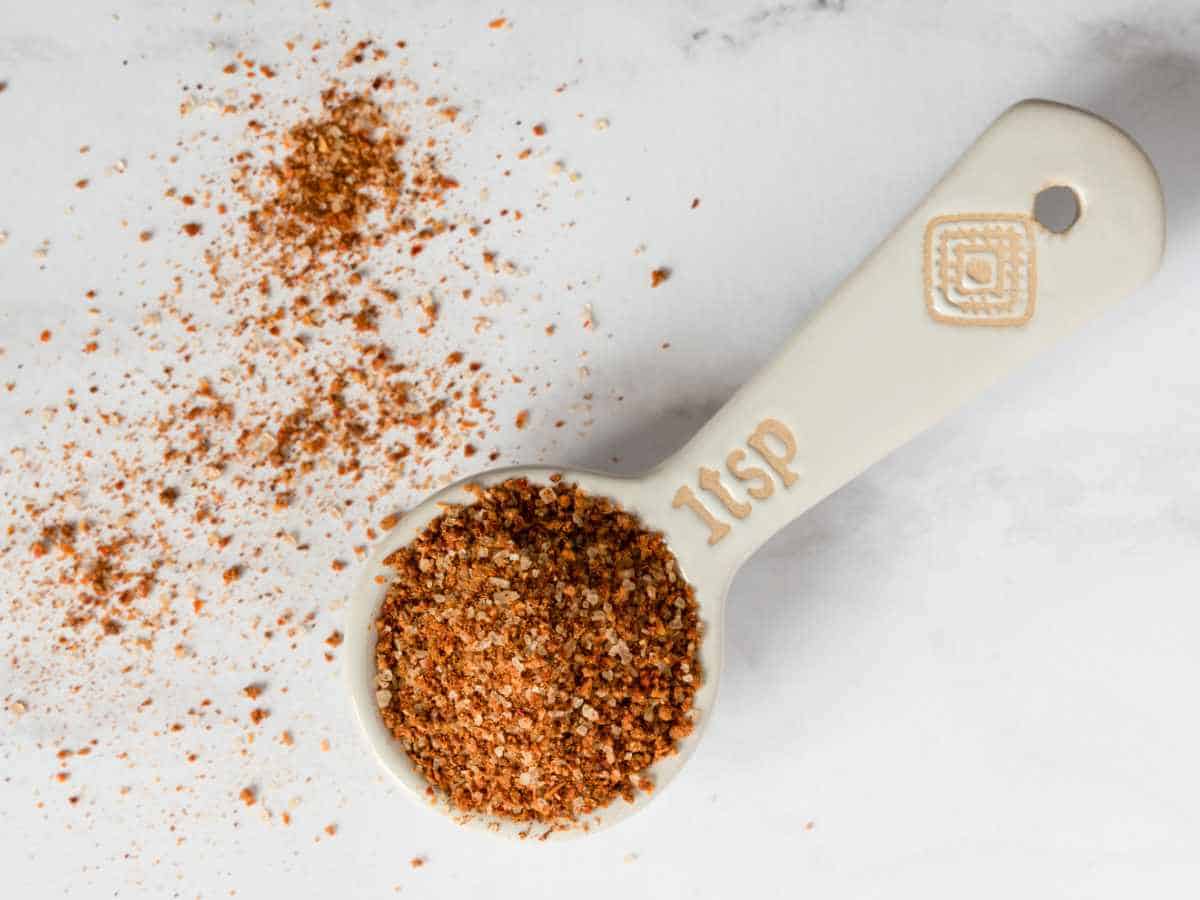
With the ribs prepped and ready, it's time for the true artistry: applying the rub. A great rub is the soul of barbecue, delivering the primary flavor profile that defines your ribs. Our "sweet heat" rub is a meticulously balanced blend designed to complement the rich pork flavor of st louis style ribs, offering an initial burst of sweetness followed by a gentle, lingering warmth. This versatile rub works beautifully on virtually any pork cut, from baby backs to pork shoulder.
The Secret Sweet Heat Rub Ingredients:
Gather these pantry staples, and you're well on your way to a legendary barbecue experience:
- White Sugar: Provides immediate sweetness and aids in creating that beautiful caramelized crust.
- Dark Brown Sugar: Adds a deeper, molasses-rich sweetness and contributes significantly to the rub's ability to caramelize and form a delicious "bark" during cooking.
- Smoked Paprika: A cornerstone of many great barbecue rubs, it imparts a beautiful reddish hue and a foundational smoky depth that enhances the natural flavors of the pork.
- Garlic Powder: A pungent and aromatic staple that provides a savory, umami backbone to the rub.
- Kosher Salt: Essential for seasoning, it penetrates the meat, acting as a dry brine to enhance moisture retention and overall flavor.
- Oregano: Lends an earthy, slightly peppery, and aromatic complexity, adding another layer to the flavor profile.
- Cayenne Pepper: This is where the "heat" comes in. It provides a noticeable but not overwhelming spicy kick. Feel free to adjust to your preference – add more for an extra fiery punch, or omit for a milder flavor.
- Cumin: Known for its warm, earthy, and slightly smoky notes, cumin further deepens the complexity of the rub.
- Black Pepper: A classic seasoning that adds a sharp, piquant flavor, balancing the sweetness and other spices.
- Dry Mustard: A traditional barbecue ingredient, dry mustard provides a subtle tang and is believed to aid in tenderizing the meat.
Mixing and Applying Your Rub:
- Combine Ingredients: In a small bowl, thoroughly mix all the rub ingredients until evenly distributed. This ensures consistent flavor with every application.
- Apply Liberally: Don't be shy! Generously coat both sides of your membrane-free st louis style ribs with the rub. Gently pat it down to ensure it adheres well to the meat. The salt in the rub will start to draw out moisture, forming a flavorful crust.
- Rest and Refrigerate: For optimal flavor penetration and tenderness, allow the rubbed ribs to rest. A minimum of 2 hours at room temperature is recommended, but for an even deeper flavor, refrigerate them, covered tightly with plastic wrap, for 4 to 24 hours. During this time, the salt in the rub will begin to draw moisture out of the meat, creating a natural brine that then gets reabsorbed, resulting in incredibly moist and flavorful ribs.
Once your st louis style ribs have absorbed all that glorious flavor, they are ready for their low-and-slow journey to perfection.
Conclusion: Your Path to Rib Perfection
Achieving truly exceptional St. Louis style ribs is a journey that begins with careful preparation and thoughtful seasoning. By understanding the importance of membrane removal and mastering the application of a balanced sweet heat rub, you've laid the groundwork for barbecue success. The tough, chewy membrane is banished, allowing your expertly crafted blend of sugars, spices, and aromatics to penetrate deeply, promising a symphony of flavor in every bite.
Remember, while our sweet heat rub offers a fantastic starting point, the world of barbecue is vast and ripe for experimentation. Use this recipe as your primer, and don't hesitate to tweak the spice levels or introduce new ingredients to discover your own perfect rib rub. With these foundational techniques, you're now equipped to unlock fall-off-the-bone St. Louis style ribs every time, delighting family and friends with tender, mouth-watering pork that showcases your newfound barbecue prowess.
